Tunisia Visa & Entry Rules for Australian and New Zealand Travelers (2026)
Updated: Jun 2

Australians and New Zealanders can enter Tunisia visa-free for up to 90 days with a valid passport.
There is no eVisa requirement, no pre-arrival authorization, and no visa application process for short tourist visits.
For most travelers, arrival is straightforward: land, pass through immigration, receive an entry stamp, and begin your trip.
This guide explains the current entry rules, required travel documents, and what visitors from Australia and New Zealand should know before arriving in Tunisia.
Quick Guide
Do Australians or New Zealanders need a visa for Tunisia?
No.
Citizens of Australia and New Zealand can enter Tunisia without a visa for stays of up to 90 days.
Upon arrival, immigration officers stamp your passport and grant entry.
There are currently no online visa forms, pre-authorization systems, or eVisa requirements for short tourist visits.
If you plan to remain in Tunisia beyond the visa-free period, you must apply for the appropriate residence permit before your authorized stay expires.
Entry documents required
Most visitors should prepare the following before departure:
A valid passport
A return or onward flight ticket
Accommodation details
Proof of sufficient funds
Travel insurance is recommended but not required for entry.
While immigration checks are usually straightforward, carrying supporting documents helps avoid unnecessary delays.
Passport and arrival requirements


Your passport should remain valid for at least three months beyond your arrival date.
Australian and New Zealand travelers enter Tunisia using their passports and are not affected by recent entry-rule changes that apply to certain European nationalities.
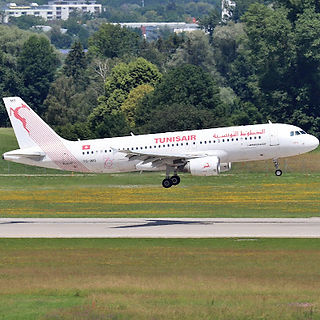
Most visitors arrive through one of Tunisia's major international airports:
Tunis-Carthage International Airport
Djerba-Zarzis International Airport
Enfidha-Hammamet International Airport
Arrival procedures are generally simple and familiar to travelers accustomed to international tourism.
What usually surprises Australians and New Zealanders
Many visitors arrive expecting Tunisia to feel significantly more unfamiliar than it actually does.
In practice, many travelers discover a country that feels closer to a Mediterranean destination than the image often created by older internet discussions.
Several things commonly surprise first-time visitors:
Distances are smaller than expected
Australians and New Zealanders are often accustomed to long travel distances.
Tunisia is compact by comparison.
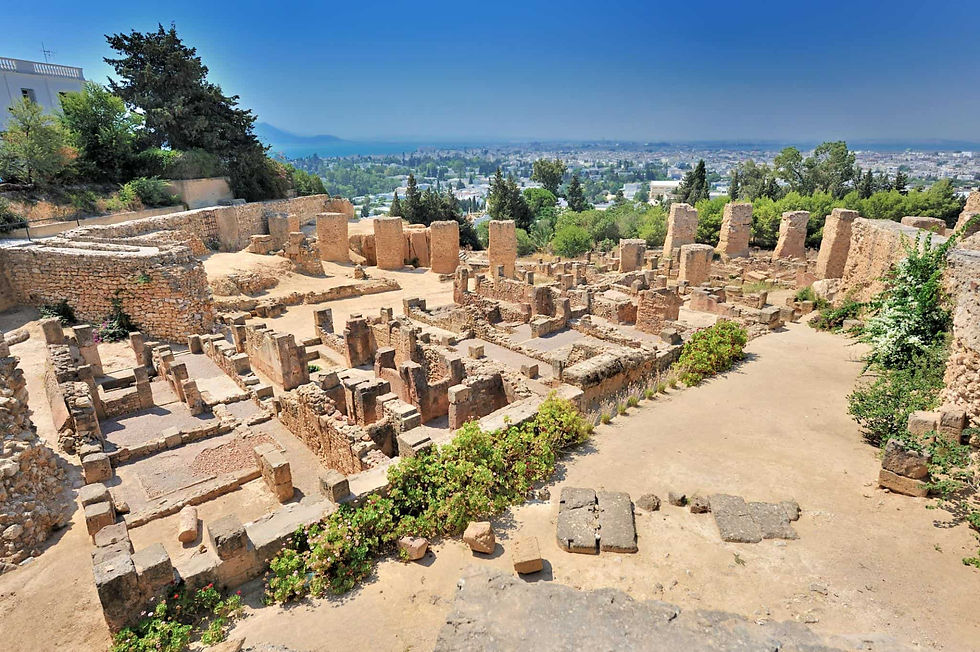
It is possible to experience beaches, historic cities, desert landscapes, mountain regions, Roman sites, and traditional villages within a relatively short geographic area.
Public life is highly visible
Cafés, public squares, seaside promenades, markets, and everyday social spaces remain active throughout much of the day.
Many visitors notice how much daily life happens outdoors.
The country moves at its own rhythm
Meals are rarely rushed.
Conversations often take time.
People tend to prioritize social interaction alongside efficiency.
For many visitors, this becomes one of the most memorable parts of the experience.
Tunisia feels more Mediterranean than expected
The atmosphere in places such as Tunis, Sidi Bou Saïd, Hammamet, Sousse, Monastir, and Djerba often feels closer to the broader Mediterranean world than many first-time visitors anticipate before arriving.
Is Tunisia safe for Australian and New Zealand travelers?


For most visitors, Tunisia feels calm, socially active, and straightforward to navigate.
Travel in Tunisia typically revolves around ordinary public life, tourism environments, cafés, restaurants, beaches, historical sites, and transportation networks.
Travelers interested in a deeper understanding of safety, daily life, and local realities can also explore:
Practical travel information


Flights
Most Australians and New Zealanders reach Tunisia through connections in:
Dubai
Doha
Istanbul
Paris
Rome
Frankfurt
Currency
Tunisia uses the Tunisian Dinar (TND). Visitors who want to understand how cash, bank cards, withdrawals, and currency exchange work in practice can also read How Payments Actually Work for Visitors.
Currency exchange is available through banks, airports, and licensed exchange offices.
Language
Arabic is the national language.
French is widely used throughout the country.
English is widely spoken and especially common among younger Tunisians.
Electricity
230 V
50 Hz
Two-pin plugs, compatible to those used across much of Europe
Time Zone
Tunisia operates on CET (UTC+1).
Depending on the season, Tunisia is generally several hours behind Australia and significantly behind New Zealand.
Before you arrive
Many travelers spend time researching visas, safety, social norms, practical logistics , and transportation before visiting Tunisia.
Those questions are normal.
Yet one of the most common observations from visitors is that Tunisia often feels more ordinary, welcoming, and easy to navigate than expected.
The visa process is simple.
The distances are manageable.
And once visitors settle into the local rhythm, many find that daily life becomes easier to understand than they initially imagined.
FAQ
Do Australians need a visa for Tunisia?
No. Australian passport holders can stay in Tunisia visa-free for up to 90 days.
Do New Zealand citizens need a visa for Tunisia?
No. New Zealand passport holders also receive a visa-free stay of up to 90 days.
How long must my passport be valid?
At least three months beyond your date of arrival.
Is there a Tunisia eVisa for Australians?
No. Australians do not need an eVisa for short tourist stays.
Is there a Tunisia eVisa for New Zealand citizens?
No. New Zealand citizens do not need an eVisa for short tourist visits.
Can Australians get a visa on arrival in Tunisia?
Australians do not need a visa on arrival because they already qualify for visa-free entry.
Can New Zealand citizens get a visa on arrival?
They do not need one for tourist stays of up to 90 days.
Can I stay longer than 90 days?
Longer stays require the appropriate residence or immigration process before the visa-free period expires.
Is Tunisia safe for Australian and New Zealand tourists?
For most visitors, Tunisia is a normal tourism destination with active public life, functioning tourism infrastructure, and established visitor routes across the country.