top of page

People

Why People Matter

Institutions are often encountered through products, knowledge, systems, and visible outcomes.

Yet behind every contribution, every practice, every decision, and every relationship are people whose participation helps shape what the institution becomes.

Participation gives an institution life.

Without participation, products are not created, knowledge is not carried forward, relationships do not develop, and responsibilities cannot be maintained. Participation is what connects institutions to the people who help sustain them over time.

For this reason, people occupy an important place within My Chakchouka.

Products may be visible. Knowledge may be documented. Governance may define responsibilities. But none of these exist independently of the individuals who contribute to them, carry them forward, and help sustain them over time.

People therefore represent more than a category within the institution.

They represent the participants through whom many of its relationships become possible.

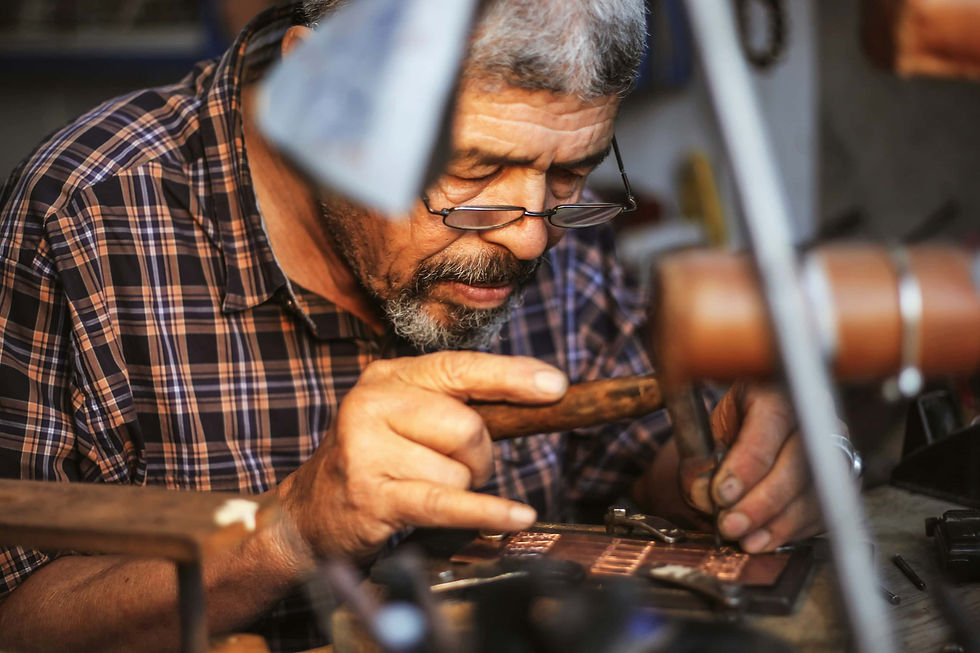
Contributors cultivate products. Producers shape harvests. Artisans carry skills and practices. Knowledge contributors expand understanding. Stewards help maintain continuity. Each participates in different ways, yet each forms part of the broader ecosystem.

Participation, however, is not always visible.

Many contributions remain hidden behind products, information, or outcomes. A visitor may encounter what has been created without encountering the people who helped create it.

The People pillar exists to help address this gap.

It provides a framework through which participation can become visible through representation. Rather than treating contributors as background elements, it seeks to connect people to the knowledge, products, places, practices, and relationships in which they participate.

For this reason, the People pillar is not primarily about individuals.

It is about understanding the institution through the people whose participation helps give it form.

Who Participates

Participation within My Chakchouka takes many forms.

The institution is shaped not by a single type of contributor, but by a network of people whose work, knowledge, experience, and responsibilities intersect in different ways.

Some participants contribute through products.

Artisans, producers, and other contributors help cultivate, create, prepare, or maintain the products that become part of the institution's ecosystem. Their participation connects people to materials, practices, landscapes, and traditions that extend beyond the products themselves.

Some contribute through knowledge.

Experience, expertise, observation, and understanding all help shape how subjects are documented and explained. Knowledge contributors help expand the context through which visitors encounter products, places, practices, and relationships.

Some contribute through stewardship.

The institution itself requires ongoing attention, coordination, and continuity. Stewardship contributes to the maintenance of relationships, the development of systems, and the long-term direction of the institution.

These forms of participation are not isolated from one another.

A producer may also contribute knowledge. A steward may also participate in documentation. An artisan may contribute to both products and understanding. The boundaries between forms of participation often overlap.

For this reason, participation is not understood primarily through titles or categories.

It is understood through contribution.

The question is not what a participant is called.

The question is how their participation helps shape the institution and the realities it seeks to make visible.

Participation Through Representation

Participation does not automatically become visible.

Many contributions remain hidden behind products, knowledge, systems, and outcomes. A visitor may encounter what has been created without encountering the people whose participation helped make it possible.

For this reason, participation often requires representation.

Representation provides a framework through which contributors can remain connected to the products, knowledge, places, practices, and relationships in which they participate. It helps transform participation from something that is assumed into something that can be understood.

Within My Chakchouka, representation is not approached as a matter of recognition alone.

Its purpose is context.

A contributor is not represented simply so that their name becomes visible. Representation seeks to help visitors understand how a person's participation relates to the broader realities documented within the institution.

This may involve connecting a producer to a harvest, an artisan to a practice, a contributor to a body of knowledge, or a steward to the responsibilities they help maintain. In each case, representation helps reveal relationships that might otherwise remain hidden.

Representation also helps preserve continuity.

As products change, knowledge expands, and contributors evolve, representation provides a way to maintain visible connections between people and the realities in which they participate.

For this reason, participation and representation should not be understood as separate ideas.

Participation gives the institution life.

Representation helps make that participation visible, understandable, and connected to the broader ecosystem.

Explore People

Participation becomes visible through representation, but representation takes different forms across the institution.

Some participants are represented through stewardship and their responsibilities to the institution.


Others are represented through products, practices, knowledge, and the relationships connected to their work.

The People pillar provides several pathways for exploring these different forms of participation.

bottom of page