What to Eat in Tunisia (and What to Avoid)
Updated: May 1

Food in Tunisia is something you step into.
It lives across homes, small restaurants, street counters, and shared tables.
As a visitor, you enter that same rhythm.
Some dishes are essential.
Some appear depending on time and place.
Others carry a logic that becomes clear as you experience them.
These are the foods you’ll encounter most often.
A simple Guide
Couscous


The reference dish.
Built on a semolina base, combined with vegetables, and finished with meat, fish, or, in some areas, octopus.
Served across the country, with variations depending on region.
It is not tied to one recipe, but to a structure shaped by ingredients, season, and context.
Brik

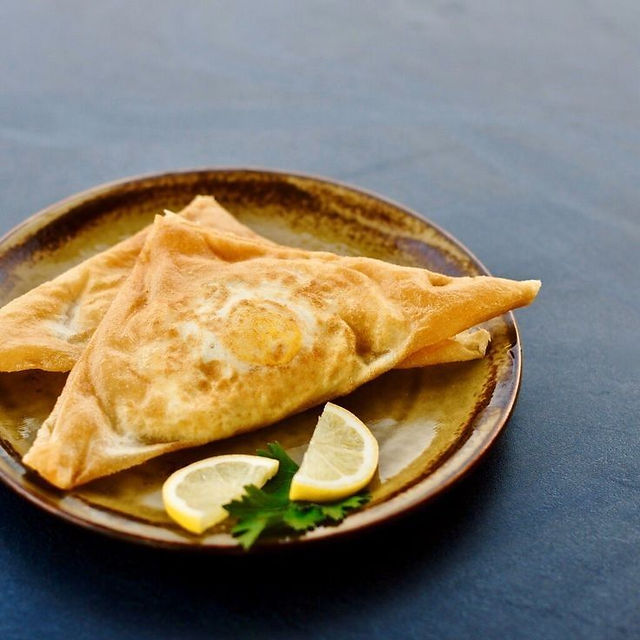

A thin pastry, filled with egg, tuna, or meat, then fried.
Crisp on the outside, soft inside, and eaten immediately.
Often served as a starter or a light meal.
Shakshuka and Ojja
Egg-based dishes are a central part of Tunisian cooking.


Shakshuka
A cooked base of tomatoes, peppers, olive oil, finished with eggs.
Prepared in many variations depending on the household or region.
For a deeper understanding of Shakshuka, you can explore What is Shakshuka.
Ojja
A richer, more intense version built on the same base, often with merguez (spiced sausage), seafood or meat, & harissa.
Served hot and eaten directly from the pan with bread.
For a deeper understanding of Ojja, you can explore Ojja and Tunisian Egg Stews.
Slata Mechouia


A grilled vegetable salad made from peppers and tomatoes, mixed with olive oil, and sometimes finished with tuna or eggs.
Smoky, soft, and served with bread at the table.
Simple, direct, and widely used.
Lablabi


A chickpea soup made with bread, garlic, olive oil, and spices.
Warm, dense, and often eaten late in the day or in winter.
Simple, filling, and part of everyday routines.
Grilled food and barbecues


Grilling is part of everyday cooking, using meat or fish with simple seasoning.
Often prepared outdoors or in open spaces, and eaten as part of shared meals.
Direct, informal, and widely present.
Sandwiches and street food
Street food in Tunisia is part of everyday movement — quick, accessible, and widely used.


Fricassé
A small fried sandwich filled with tuna, egg, olives, harissa. Soft inside, crisp outside, and widely available.
Chapati (Tunisian sandwich)
A warm, pressed flatbread filled with chicken, tuna, or meat, cheese, harissa, made quickly and eaten on the go.
Grilled sandwiches
Found in cafés and small shops, often in the form of Makloub or Baguette farcie, prepared with simple fillings and assembled in front of you. Direct, fast, and consistent.
Bakery items
Savory pastries, small pizzas, and filled breads, along with items like pâté and millefeuilles.
Olive oil, harissa, and daily products


Olive oil
Olive oil is not used as an addition. It is the base.
It defines how food is prepared, finished, and shared.
There is also a strong sense of pride around it — linked to land and continuity.
You can explore this further through Tunisian Olive Oil.
Harissa
Harissa is a chili paste made from peppers, garlic, olive oil, and spices.
It is present across dishes, but used with control — adjusted depending on context and preference.
Harissa is also recognized as part of Tunisia’s cultural heritage, with its preparation and use inscribed by UNESCO.
Honey and simple products
Honey, bread, and other simple elements are part of daily use.
They are often eaten on their own or used to complete a meal.
See also: Tunisian food products that travel well.
Tea and everyday drinks
Drinks in Tunisia follow the same rhythm as food. They are shared, repeated, and integrated into daily life.
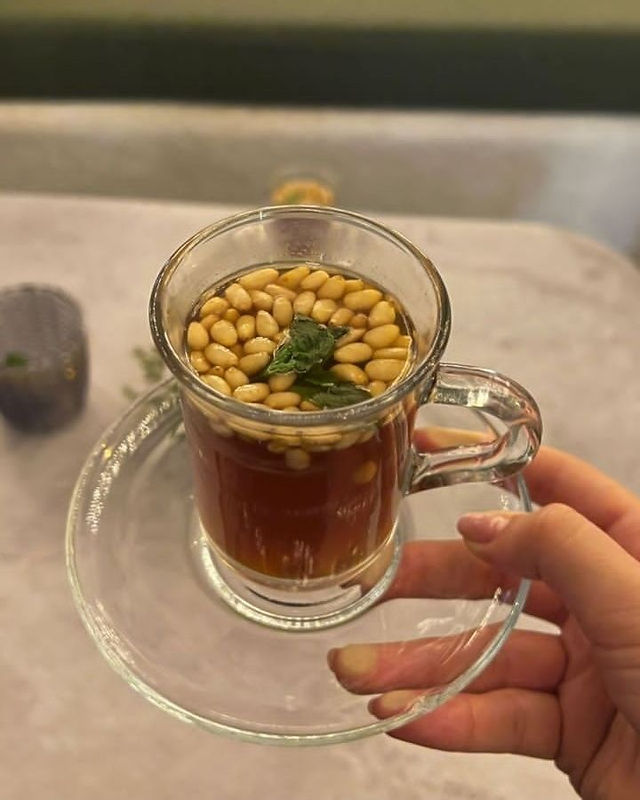


Green tea
Prepared with mint, sugar, pine nuts or almonds. Served after meals or during conversations. You can explore this more deeply through Tunisian Tea.
Limonada (Tunisian lemonade)
A blended drink made with whole lemons, often slightly sweet and textured. Different from the clear lemonade you might expect.
Boga (local soda)
A widely known Tunisian drink with a distinct, sweet flavor. Common in everyday settings and often paired with street food.
Celtia (local beer)
The main Tunisian beer. Found in restaurants, cafés, and areas where alcohol is served. You can explore this further in Can You Drink Alcohol in Tunisia.
What tourists often misunderstand
Not everything is “restaurant food”
Many of the best meals are:
in small places
in neighborhoods
outside main tourist areas
Spice is adjustable
Harissa is present, but not everything is extremely spicy.
You can always adjust.
Menus don’t always represent reality
This is a common source of confusion for visitors.
Menus are not always updated, and what is cooked follows the season.
This is because food is prepared from what is fresh and available that day.
Food reflects what the land produces at that time, not what is written.
What to avoid (simple mistakes)
These are not issues — just common missteps that can affect the experience.
Choosing places only based on menus
Menus don’t always reflect how food is actually served. The best places are often simple and focused.
Expecting international-style service everywhere
Service follows a different rhythm. Meals take time, and the pace is part of the experience.
Ignoring simple local dishes
Some of the most representative food is also the simplest. Choosing familiar options often means missing what the system actually offers.
What to be aware of
This is not about danger — just adjustment.
Water use in food
Tap water is safe for cooking.
For drinking, bottled water is commonly preferred for taste. You can explore this further in Is Tap Water Safe in Tunisia.
Food freshness
Most places cook daily. Freshness is usually reflected in activity — places with movement tend to prepare food continuously.
Hygiene expectations
Standards vary depending on location and type of place. In active environments, turnover is high and food is fresh.
Where to eat


Food in Tunisia is not limited to one type of place.
You’ll find it in small restaurants, cafés, markets, bakeries, coastal spots, residential neighborhoods, or more refined places.
Each setting follows the same logic — simple dishes, prepared continuously, and shaped by daily life.
What matters is not the type of place, but the activity and rhythm around it.
See also: The Rhythm of Life in Tunisia.
A simple way to approach it
eat where people are eating
choose simple dishes
observe before choosing
follow activity, not appearance
Where this connects
Food in Tunisia is not separate from the system.
It connects directly to:
And if you want to bring part of this into your own environment, you can explore Tunisian Food Products That Travel Well or go directly to The Shop.
The honest answer
Food in Tunisia is accessible, direct, and part of everyday life.
If you stay close to how people actually eat — simple places, active spaces, local dishes — the experience becomes clear and easy.


