Understanding Seasonal Harvests
Updated: Jun 4

Honey is often discussed as though it were a fixed product.
In reality, it is a harvest.
And every harvest belongs to a specific moment in time.
Flowers bloom at different moments.
Landscapes change throughout the year.
Environmental conditions shift from season to season.
Honey reflects those changes.
Understanding seasonal harvests helps explain why honey can vary even when it comes from the same beekeeper and the same region.
A simple guide
Honey is a harvest

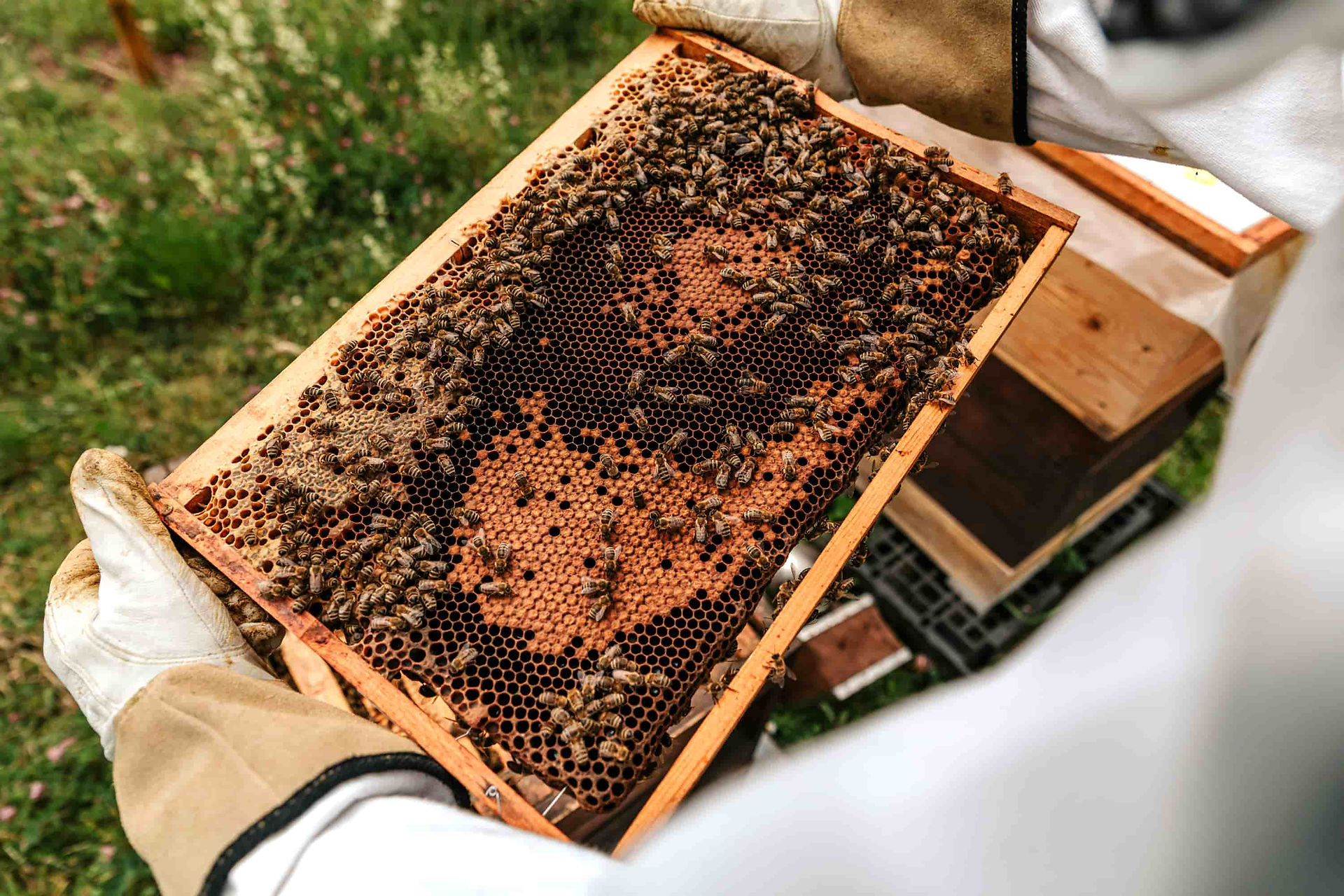

One of the easiest ways to understand honey is to think of it as a harvest rather than a manufactured product.
Like other harvest-based foods, honey reflects the conditions that existed when it was collected.
Those conditions are never perfectly identical from one season to the next.
As a result, honey naturally carries some variation.
This variation is not a defect.
It is part of the harvest itself.
Flowers follow seasonal rhythms


Flowers do not bloom continuously throughout the year.
Different flowering plants appear at different moments.
Some flowering seasons are brief.
Others last longer.
As flowering conditions change, the nectar available to bees changes as well.
Because honey begins with flowers, seasonal rhythms become part of the honey that follows.
Understanding flowering seasons is one of the simplest ways to understand why honey varies over time.
Why harvests differ


No two seasons are exactly alike.
Flowering intensity may differ.
Environmental conditions may differ.
The relationship between flowers, landscapes, and bees may differ.
As a result, harvests can develop differently.
This variation may influence:
color,
aroma,
texture,
flavor,
and overall character.
These changes are often subtle.
But they are part of what makes honey a harvest rather than a standardized product.
What changes from season to season


Many people notice variation first through appearance.
One harvest may appear lighter.
Another may appear darker.
Some may crystallize more quickly.
Others may remain more liquid for longer.
These differences do not necessarily indicate higher or lower quality.
They often reflect the conditions that shaped a particular harvest.
Variation is one of the clearest signs that honey remains connected to flowers, landscapes, and time.
Understanding the collection through harvests


Each honey in the collection reflects a different relationship with seasonal flowering cycles.
Orange Blossom Honey
Shaped by the orange blossom flowering season and the conditions surrounding it.
Wild Trilogy
Influenced by multiple flowering sources that contribute to a more layered harvest.
Cress Honey
Connected to flowering environments whose characteristics may vary from season to season.
Understanding these harvests becomes easier when viewed through the rhythm of the year rather than through the product alone.
Explore the collection


The My Chakchouka collection explores how flowers, landscapes, harvests, and beekeepers contribute to honey.
Explore:
Every harvest tells a slightly different story.
The season is part of that story.
Understanding honey further
Continue exploring:
Honey changes because flowers change.
Flowers change because seasons change.
And every harvest reflects that movement through time.


