top of page
Eastern Interior
Work culture, dry climate,
and a confidence built on production.
Orientation Snapshot
-
A region whose importance is systemic
-
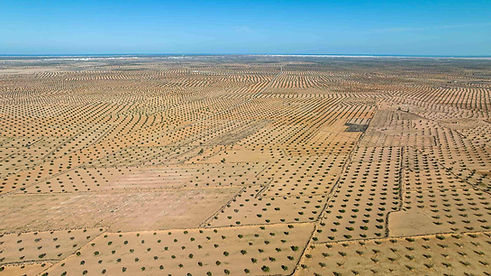
Inland production corridor anchored by Sfax
-
One of the country’s primary economic engines
-
Dry climate integrated into daily timing and systems
-
Cities shaped by work, storage, and coordination
Operating Conditions
-
Daily rhythm follows work cycles and long-established routines
-
Economic life prioritizes production, reinvestment, and continuity
-
Movement aligns with logistics, supply chains, and habit
-
Visibility remains secondary to reliability
-
Social networks are dense, discreet, and internally high-trust
-
Value is expressed through consistency
Reality Pins
-
Sfax is Tunisia’s second economic pole and a primary coordination hub
-
A significant share of the country’s olive oil circulation passes through regional networks
-
The port operates as a functional, bulk-oriented system
Misreading Corrections
-
Low visibility does not mean cultural absence.
-
Function can carry more identity than image
-
Importance does not require visibility
Material & Making Implications
-
Olive wood enters making after long agricultural use
-
Wool and plant fibers suit limited water conditions
-
Objects emphasize durability, repetition, and correctness
-
Repair and reuse are embedded in normal circulation
-
Making values continuity and reliability
Handoff
Materials move through production-first systems.
Objects reflect discipline, patience, and earned confidence.
bottom of page