Everyday Objects That Define Tunisia
Updated: May 28

In Tunisia, many everyday objects developed through use rather than formal design.
Bowls, utensils, baskets, textiles, and surfaces take their shape from how people cook, eat, store, and live. Their forms reflect repeated actions and practical needs within the home.
Looking at these objects helps explain how daily life is structured through material choices.
A simple guide
Clay vessels for cooking and serving

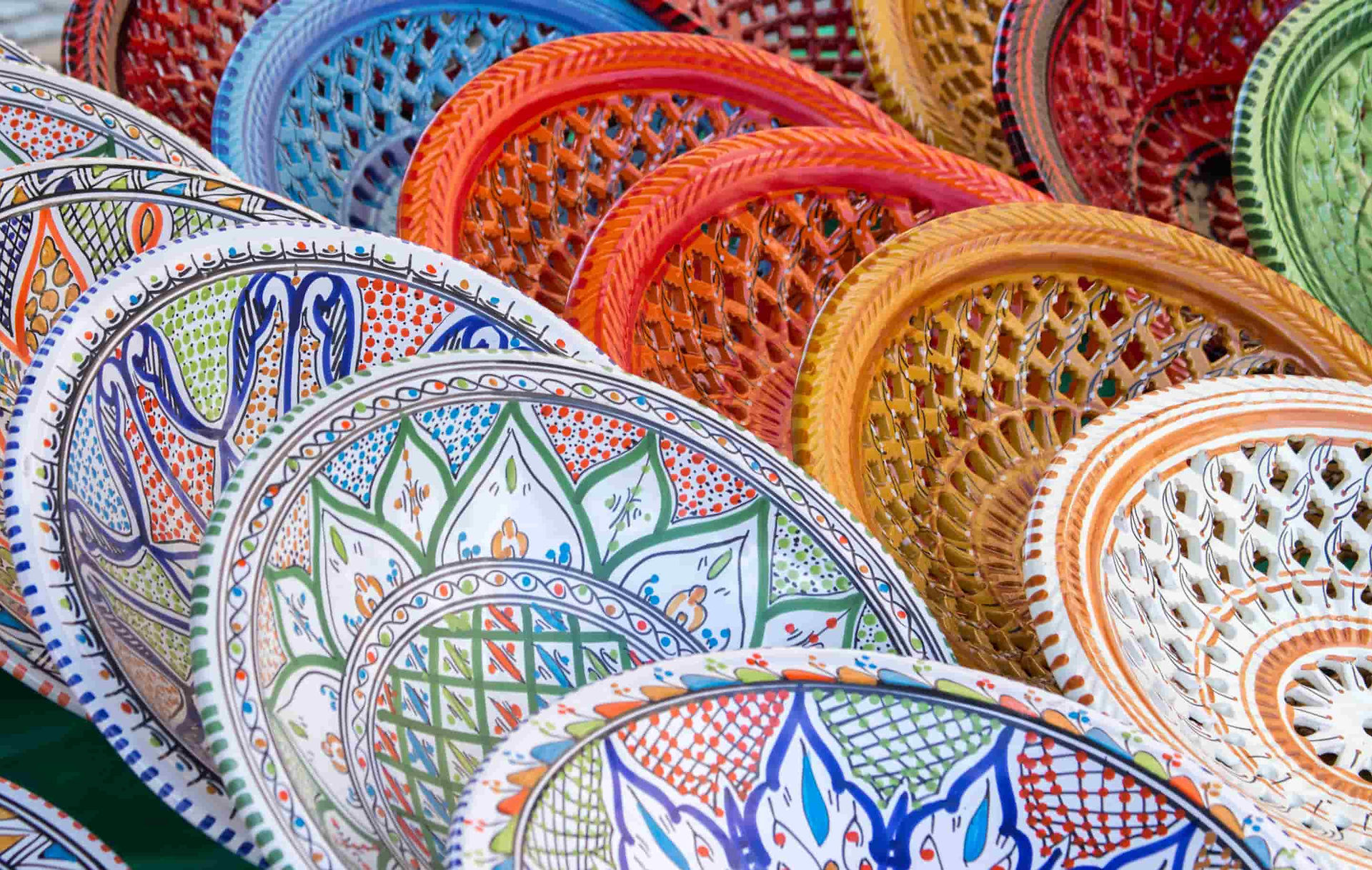
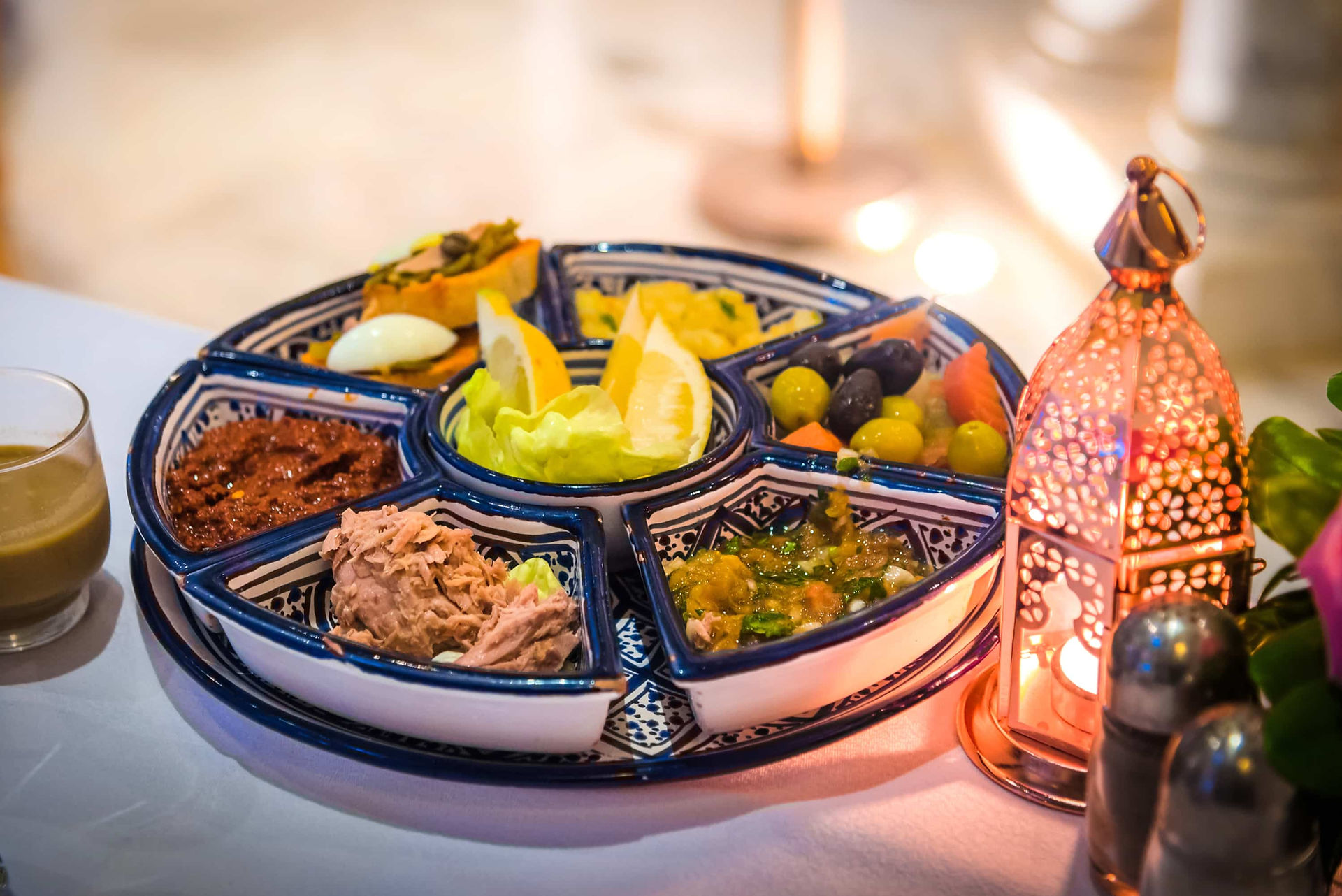
Clay vessels are among the most recognizable objects in Tunisian homes. Bowls, plates, and cooking dishes appear across kitchens and tables, often shaped by hand using techniques that have remained remarkably stable over time.
Clay performs well in environments where cooking, serving, and storage occur within the same household space. It retains warmth when serving food and resists many of the stains and marks that frequent cooking produces. Because clay can be locally sourced and worked with relatively simple tools, pottery traditions developed in several regions.
One of the most well-known examples comes from the hills of northern Tunisia, where artisans continue to shape ceramics using hand-building techniques associated with Sejnane pottery. These vessels often reflect everyday uses — serving stews, olives, salads, and fruit.
Their proportions respond directly to shared meals and daily cooking routines.
These vessels belong to a wider system of forms often described as Tunisian object culture.
Olive wood tools for the kitchen and table

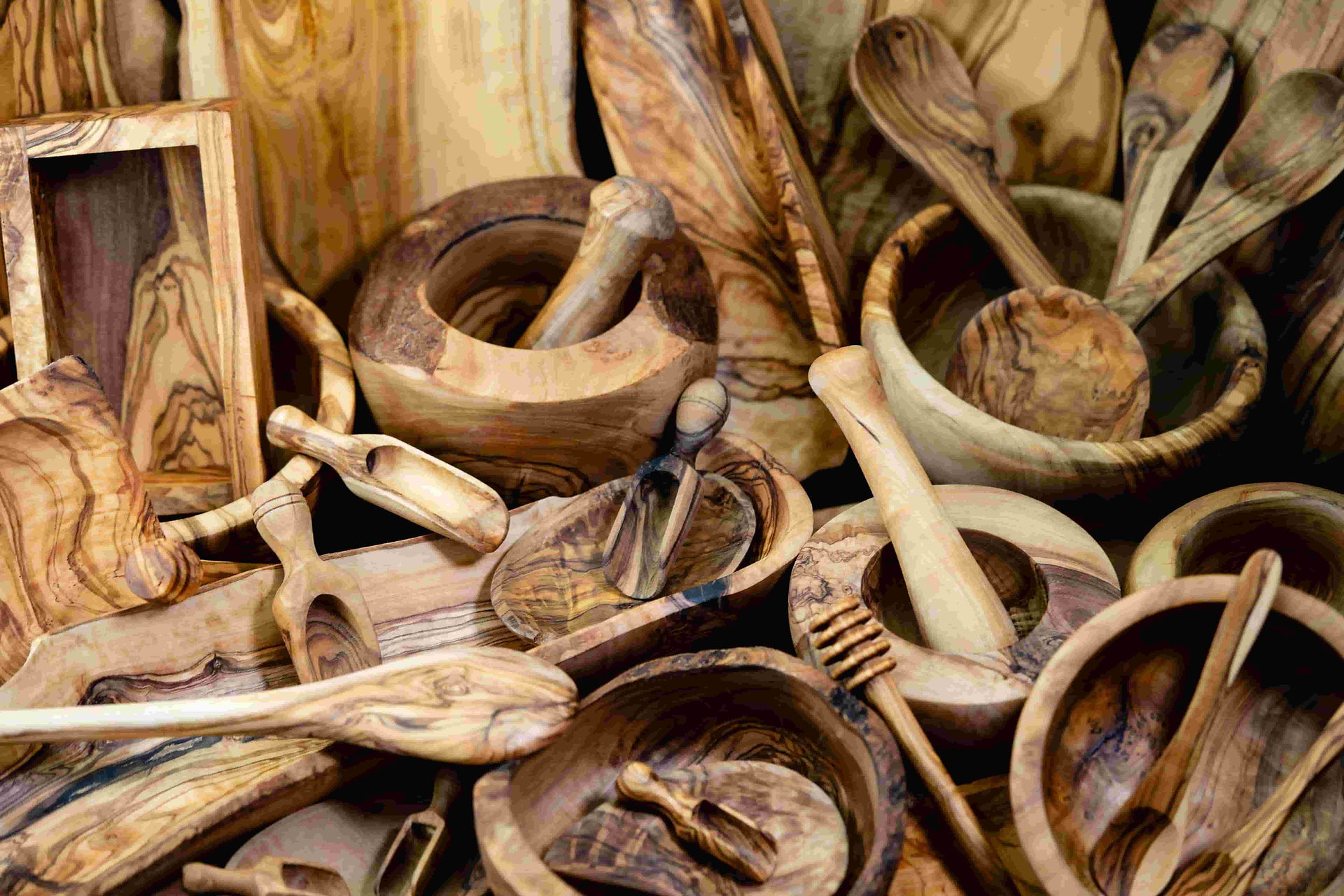

Olive trees are widespread across Tunisia, particularly in the Sahel and central regions. Their dense hardwood has long been used to carve tools that withstand repeated contact with food and heat.
Utensils such as spoons, spatulas, serving tools, and small boards are commonly shaped from olive wood. The material’s natural density helps it resist wear, while its grain gives each piece a distinctive appearance.
Because olive trees are regularly pruned for agricultural reasons, wood from branches and trunks becomes available for small-scale woodworking. This relationship between agriculture and craft allows useful tools to emerge from existing resources.
These utensils reflect the practical needs of cooking and serving within Tunisian households and illustrate how local materials influence everyday objects.
Woven baskets for storage and harvest


Basketry plays an important role in domestic and agricultural life. Palm fibre and other plant materials are woven into containers used for carrying produce, storing bread, or organizing household items.
The structure of these baskets often reflects the tasks they perform. Some are designed to support weight during harvest. Others allow airflow for storing food such as fruits or vegetables.
Because woven containers are lightweight and durable, they move easily between kitchens, markets, and outdoor spaces. Their forms balance strength and flexibility, allowing them to endure repeated use.
Basketry therefore illustrates how everyday objects respond directly to movement, storage, and circulation within daily life.
Textiles shaped by household rhythms

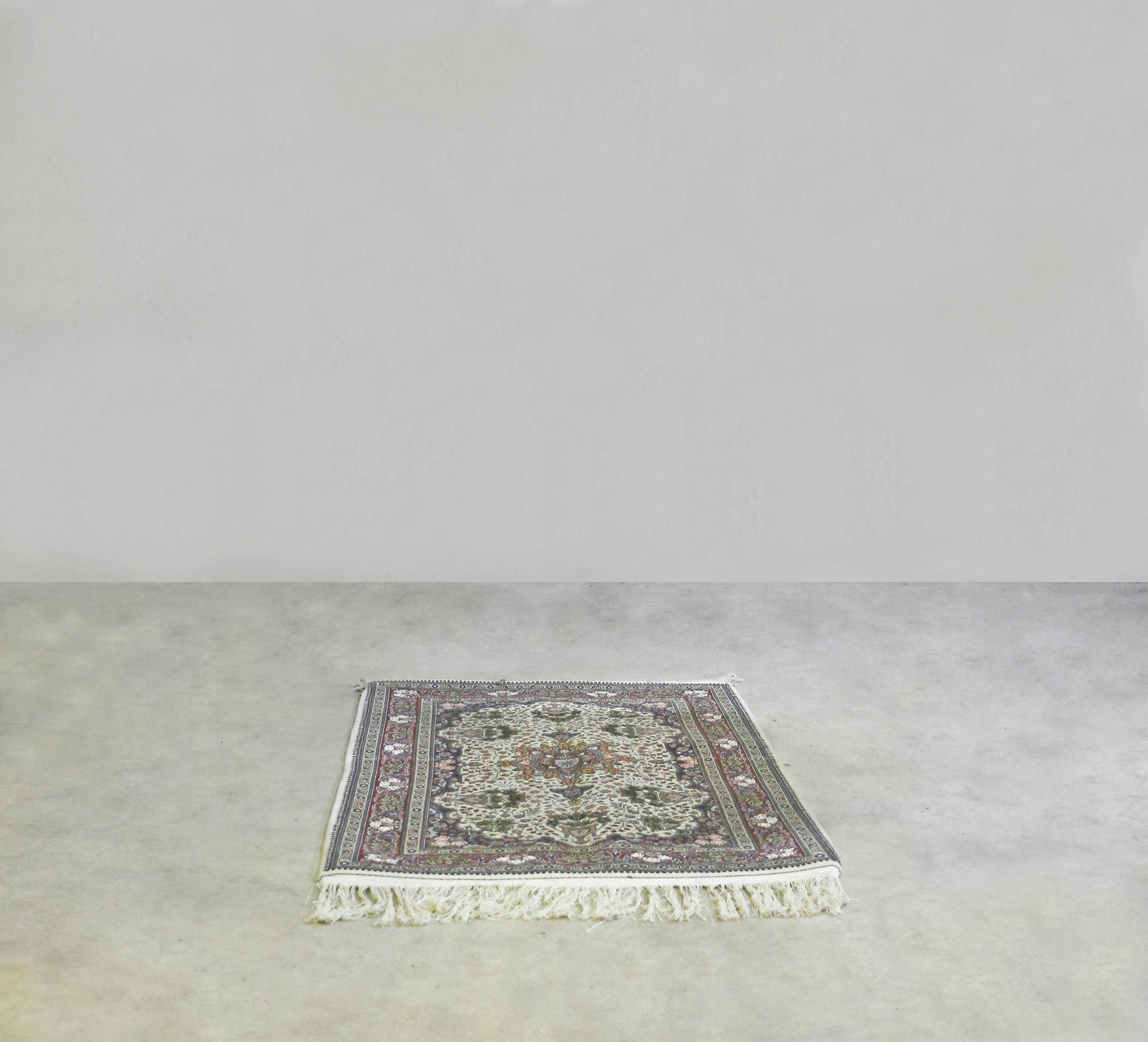


Textiles appear throughout Tunisian homes in forms that serve both practical and seasonal purposes. Wool weaving traditions developed in inland regions where pastoral life produced abundant fibre.
Woven textiles may function as blankets, coverings, rugs, or storage layers. Their patterns and textures often emerge from long familiarity with local materials and weaving techniques.
Like many other objects in Tunisian households, these textiles reflect routine use. They provide warmth during cooler months and structure within domestic spaces.
Because weaving skills are passed through families and communities, these traditions remain part of living craft systems rather than isolated heritage practices.
Ceramic and mineral surfaces in daily life
Ceramic and mineral surfaces appear throughout Tunisian architecture and domestic environments. Tiles, glazed ceramics, and lime-based finishes contribute to the durability and maintenance of everyday spaces.
Ceramic tiles are widely used in kitchens, courtyards, and wash areas where surfaces must withstand moisture and repeated cleaning. Lime finishes reflect sunlight and help maintain brightness inside homes.
These materials illustrate how architecture and objects share similar design logic: they respond to climate, maintenance needs, and long-term durability.
These relationships between materials, environment, and use also reflect broader patterns found across Mediterranean object traditions.
What these objects reveal about Tunisia
Many of the objects commonly found in Tunisian homes — clay bowls, olive wood utensils, woven baskets, and wool textiles — emerged from practical needs shaped by climate and daily life. Their forms were refined through repeated use in cooking, serving, storing, and maintaining households.
These objects reveal a material culture built on balance between durability, simplicity, and function. Rather than following changing trends, their designs evolved through generations of everyday practice.
Understanding these objects becomes easier when we consider the rhythms of life that shaped them.
And to understand the broader conditions that allowed these traditions to persist, readers can explore:


