Darbouka, Darbuka, Doumbek or Tabla: What’s the Difference?
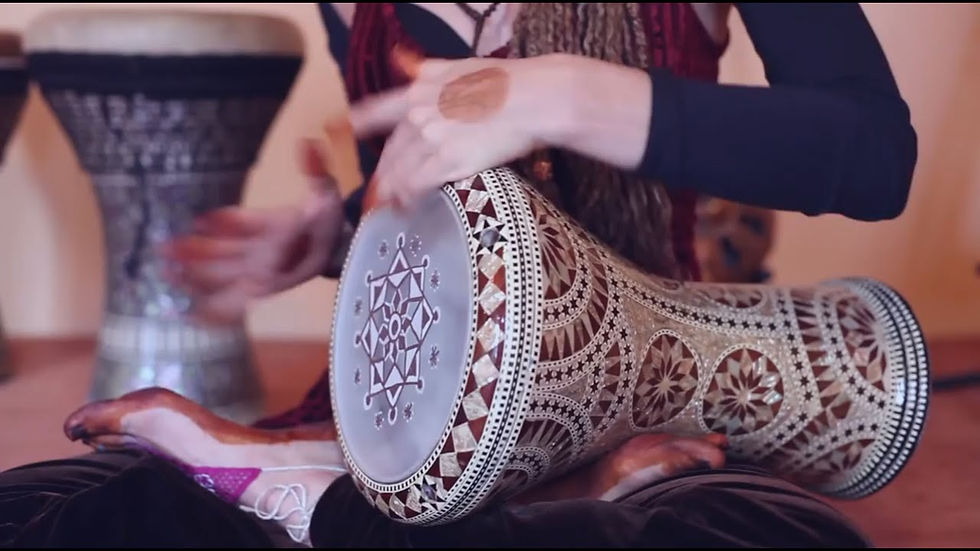
If you’re trying to understand what a darbouka is, you’ve probably seen several names:
darbouka
darbuka
doumbek
tabla
goblet drum
At first, they seem like different instruments.
In most cases, they are not.
The confusion comes from language, region, and how the instrument is presented online. What matters is not the name itself, but what kind of object you are actually dealing with.
This guide clarifies the names and shows what really changes — so you can understand what you’re looking at and choose correctly.
Quick guide
The Short Answer
In most situations:
darbouka / darbuka / darbouka → different spellings of the same word
doumbek → another name for the same type of instrument
tabla (Middle Eastern context) → often refers to the same drum
goblet drum → the general category
They all describe a goblet-shaped hand drum used to create rhythm.
But this does not mean all instruments are identical.
Why There Are So Many Names
The variation comes from how the instrument moved across regions.
Arabic-speaking regions → darbouka
Turkish and Balkan regions → darbuka / doumbek
Western descriptions → goblet drum
Some regions → tabla (not to be confused with Indian tabla)
When these names entered global markets, they stayed separate instead of being unified.
That’s why you see multiple labels for what is essentially the same object.
Where the Confusion Actually Matters
The problem is not vocabulary.
The problem is that different names are often used to describe different playing styles or builds, without explaining it clearly.
This leads to questions like:
Are these different instruments?
Which one should I buy?
Does the name affect how it sounds?
The answer:
The name alone does not determine the instrumentThe form and feel do.
What Actually Changes Between Instruments
Instead of focusing on names, focus on these:
1. Shape and Rim
Some drums have:
smoother, rounded edges
others have sharper rims
This affects:
comfort
sound clarity
playing style
2. Material
You’ll find:
metal versions (more common today)
clay versions (more sensitive, more fragile)
This affects:
durability
tone
where and how you use it
3. Size
Even within the same “name,” sizes vary.
This affects:
how it feels in your hands
how easy it is to control
how loud and deep it sounds
Egyptian vs Turkish (Where Names Start to Matter)
This is where naming becomes more useful.
Egyptian-style
smoother rim
more forgiving feel
easier for beginners
Turkish-style
sharper rim
more precise response
more demanding technique
Here, the difference is not just naming, it reflects how the instrument is built and played.
What This Means for You
If you’re trying to buy one:
Do not choose based on the name.
Choose based on:
how you plan to use it
how it feels to play
whether it fits your level
For most first-time users:
Comfort and usability matter more than terminology.
Why This Confusion Exists Online
Most websites:
list names without explaining context
mix terms without clarification
assume prior knowledge
This leaves beginners unsure whether they are looking at:
the same instrument
or different ones
The result is hesitation.
Understanding the Object in Context
This naming confusion is not unique.
It appears whenever an object moves across cultures and languages.
The darbouka follows the same logic as other objects shaped by environment, use, and transmission — something you can explore through Tunisian object logic.
And behind every variation are people — makers and users — reflected in artisans.
It also connects to rhythm of life, where rhythm exists beyond labels and terminology.
Final Perspective
Darbouka, darbuka, doumbek, tabla — these names can describe the same object.
What matters is not the label.
What matters is:
how the object is shaped
how it feels
and how it is used
Once that is clear, the naming becomes secondary.


